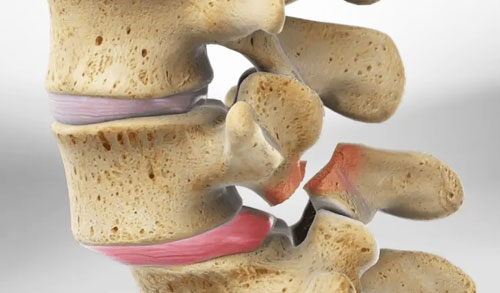
Spondylolisthesis
Spondylolisthesis is a condition in which one vertebra slips forward over the one below it. This can affect the alignment of the spine and may lead to pain, nerve compression, and difficulty in movement.
It most commonly occurs in the lower back and can range from mild to severe. Early diagnosis and appropriate treatment help manage symptoms and prevent progression.
Common Causes
Spondylolisthesis can occur due to:
- Age-related degeneration of the spine
- Stress fractures or defects in the vertebra
- Injury or trauma
- Congenital (birth-related) spine abnormalities
- Repetitive strain or heavy physical activity
Symptoms
You may experience:
- Lower back pain
- Stiffness and reduced flexibility
- Pain radiating to legs (sciatica)
- Numbness or tingling in legs
- Difficulty standing or walking for long periods
Treatment Approach
Treatment depends on the severity of the condition. Mild to moderate cases can be managed with:
- Pain relief medications
- Physiotherapy and strengthening exercises
- Posture correction and activity modification
- Bracing in selected cases
In more severe cases, minimally invasive spine surgery may be recommended to stabilize the spine and relieve nerve compression, ensuring better recovery and long-term results.
Benefits of Early Treatment
Early care can help:
- Prevent progression of vertebral slippage
- Reduce pain and nerve pressure
- Improve mobility and daily function
- Avoid complications and need for major surgery
Simple Prevention Tips
You can reduce the risk by:
- Maintaining proper posture
- Strengthening core and back muscles
- Avoiding excessive strain or heavy lifting
- Staying physically active
- Using correct techniques during exercise
The goal of treatment is to stabilize the spine, relieve pain, and improve mobility, helping you return to a comfortable and active life.
FAQs
It is a condition where one vertebra slips forward over another, affecting spine alignment.
It can range from mild to severe. Early treatment helps prevent complications.
Yes, many cases improve with medications, physiotherapy, and lifestyle changes.
Surgery is recommended in severe cases with persistent pain or nerve compression.