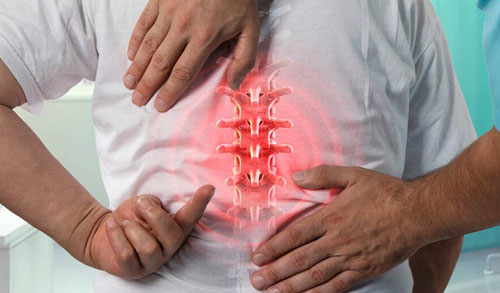
Spinal TB
Spinal TB (Tuberculosis of the spine) is a serious infection caused by tuberculosis bacteria affecting the bones of the spine. It usually spreads from the lungs through the bloodstream and gradually involves the vertebrae.
This condition develops slowly and may lead to severe back pain, deformity, or nerve-related complications if not treated early. Timely diagnosis and proper medical care are essential for effective recovery.
Common Causes
Spinal TB may occur due to:
- Spread of tuberculosis infection from the lungs
- Weak immune system
- Close contact with TB-infected individuals
- Poor nutrition and living conditions
- Chronic illnesses affecting immunity
Symptoms
You may experience:
- Persistent back pain
- Fever, especially in the evening
- Weight loss and fatigue
- Stiffness or restricted movement
- Numbness, weakness, or nerve-related symptoms (in advanced cases)
Treatment Approach
Treatment primarily involves long-term medication to eliminate the infection. It may include:
- Anti-tubercular therapy (ATT) for several months
- Pain management and supportive care
- Rest and gradual rehabilitation
- Nutritional support to improve recovery
In advanced cases, surgical treatment may be required to remove infected tissue, decompress nerves, or stabilize the spine.
Benefits of Early Treatment
Early diagnosis and treatment can help:
- Completely control the infection
- Prevent spinal deformity
- Reduce risk of nerve damage
- Improve overall recovery and outcomes
Simple Prevention Tips
You can reduce the risk by:
- Early treatment of tuberculosis
- Maintaining good hygiene and nutrition
- Boosting immunity through a healthy lifestyle
- Avoiding close contact with untreated TB patients
- Regular medical check-ups if at risk
The goal of treatment is to eliminate infection, protect the spine, and restore normal function.
FAQs
Spinal TB is a tuberculosis infection affecting the bones of the spine.
Yes, it is curable with timely diagnosis and proper anti-tubercular treatment.
Treatment usually lasts several months, depending on severity and response.
Surgery is required in cases with severe damage, deformity, or nerve compression.