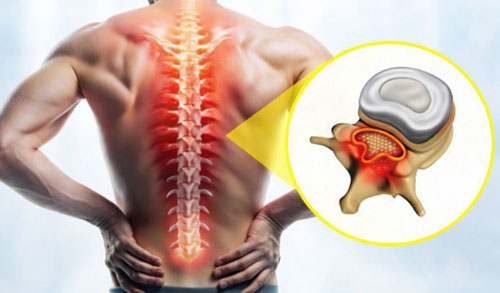
Spinal Stenosis
Spinal stenosis is a condition where the space within the spine becomes narrow, putting pressure on the spinal cord and nerves. It commonly occurs in the neck or lower back and is often related to age-related changes in the spine.
This condition can develop gradually and may lead to pain, numbness, or weakness in different parts of the body. Early diagnosis and proper treatment can help manage symptoms effectively and improve quality of life.
Common Causes
Spinal stenosis may occur due to:
- Age-related degeneration of the spine
- Thickening of ligaments
- Herniated (slipped) discs
- Bone overgrowth or arthritis
- Spinal injuries or trauma
Symptoms
You may experience:
- Back or neck pain
- Numbness or tingling in arms or legs
- Weakness in limbs
- Pain while walking or standing for long periods
- Relief while bending forward or sitting
Treatment Approach
Treatment depends on the severity of symptoms. Many cases can be managed without surgery using:
- Medications to reduce pain and inflammation
- Physiotherapy to improve strength and flexibility
- Lifestyle and activity modifications
- Pain management procedures such as injections
In severe cases, minimally invasive spine surgery may be recommended to relieve pressure on the nerves. These procedures involve smaller incisions, less pain, and faster recovery.
Benefits of Early Treatment
Early management can help:
- Prevent progression of the condition
- Reduce nerve compression
- Improve walking ability and mobility
- Avoid complications and long-term disability
Simple Prevention Tips
While age-related changes cannot be avoided completely, you can reduce the risk by:
- Maintaining good posture
- Staying physically active
- Strengthening back and core muscles
- Avoiding prolonged sitting or standing
- Managing body weight
The goal of treatment is to relieve nerve pressure, reduce pain, and improve mobility, helping you lead a more active and comfortable life.
FAQs
It is a condition where the spinal canal narrows and puts pressure on the nerves or spinal cord.
Early signs include back or neck pain, numbness, tingling, and discomfort while walking or standing.
Yes, many cases can be managed with medications, physiotherapy, and lifestyle changes.
Surgery is considered when symptoms are severe, worsen over time, or do not improve with conservative treatment.