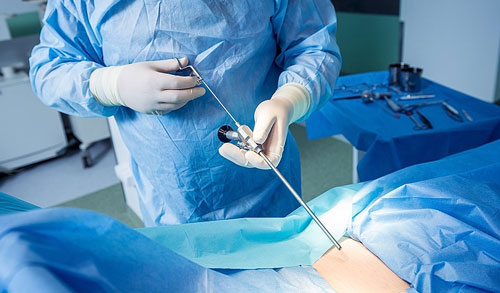
Endoscopic Spine Surgery
Endoscopic Spine Surgery is an advanced, ultra-minimally invasive procedure used to treat various spine conditions with maximum precision and minimal tissue damage. It uses a small camera (endoscope) to visualize and treat the affected area through a tiny incision.
This technique allows surgeons to directly access the problem area while preserving surrounding muscles, leading to faster recovery and reduced post-operative pain.
Conditions Treated
Endoscopic spine surgery is commonly used for:
- Slipped (herniated) disc
- Sciatica (nerve pain)
- Spinal stenosis
- Nerve compression
- Chronic back or neck pain
Symptoms
You may benefit from this procedure if you experience:
- Severe or persistent back/neck pain
- Pain radiating to arms or legs
- Numbness or tingling
- Weakness in limbs
- Difficulty in daily activities
Procedure Overview
The surgery is performed using advanced endoscopic techniques:
- Very small incision (keyhole surgery)
- Insertion of a camera (endoscope) for clear visualization
- Precise removal of disc or tissue causing nerve compression
- Minimal damage to surrounding muscles
Benefits of Endoscopic Spine Surgery
This modern technique offers several advantages:
- Minimal incision and almost no scarring
- Less pain after surgery
- Reduced blood loss
- Same-day or short hospital stay
- Faster recovery and early return to work
Recovery & Care
Recovery is quick and comfortable:
- Walking may begin within hours
- Short hospital stay or daycare procedure
- Return to routine activities in a few days
- Physiotherapy may be advised for long-term results
The goal of treatment is to provide precise relief from nerve compression with minimal pain and faster recovery.
FAQs
It is a minimally invasive procedure using a small camera to treat spine conditions through a tiny incision.
It offers less pain, quicker recovery, and minimal tissue damage compared to traditional surgery.
Most patients can walk within a few hours after the procedure.
Many cases are done as daycare procedures or require a very short hospital stay.