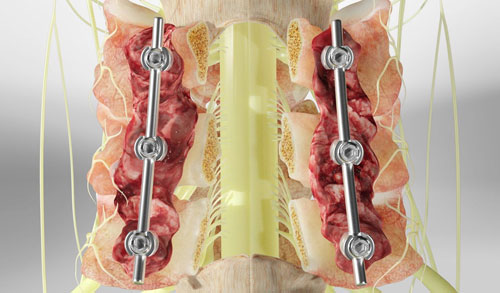
Laminectomy / Decompression
Laminectomy, also known as decompression surgery, is a procedure performed to relieve pressure on the spinal cord or nerves. This pressure is usually caused by conditions like spinal stenosis, slipped disc, or bone overgrowth.
The procedure involves removing a small portion of the bone (lamina) to create more space within the spinal canal, helping reduce pain and improve nerve function.
Common Causes
Laminectomy may be recommended due to:
- Spinal stenosis (narrowing of the spinal canal)
- Herniated (slipped) disc
- Bone spurs due to arthritis
- Thickened ligaments
- Nerve compression causing pain or weakness
Symptoms
You may experience:
- Persistent back or neck pain
- Pain radiating to arms or legs
- Numbness or tingling sensation
- Muscle weakness
- Difficulty walking or standing for long periods
Treatment Approach
Before considering surgery, conservative treatments may be tried. However, when symptoms persist or worsen, laminectomy may be advised.
- Medications for pain relief
- Physiotherapy and exercises
- Lifestyle and posture correction
- Surgical decompression in severe cases
Modern techniques often use minimally invasive methods, resulting in smaller incisions, less pain, and faster recovery.
Benefits of Early Treatment
Timely surgical intervention can help:
- Relieve nerve pressure effectively
- Reduce pain and discomfort
- Improve mobility and walking ability
- Prevent permanent nerve damage
Simple Prevention Tips
To maintain spine health and reduce risk:
- Maintain proper posture
- Stay physically active
- Strengthen back and core muscles
- Avoid prolonged sitting or heavy strain
- Seek early medical advice for persistent pain
The goal of treatment is to relieve nerve compression, reduce pain, and restore normal movement for a better quality of life.
FAQs
It is a surgical procedure to remove part of the bone to relieve pressure on spinal nerves.
It is a common spine surgery, and minimally invasive techniques make recovery faster and safer.
Most patients recover within a few weeks, depending on the condition and overall health.
Most patients experience significant relief, especially from nerve-related pain.