Sciatica
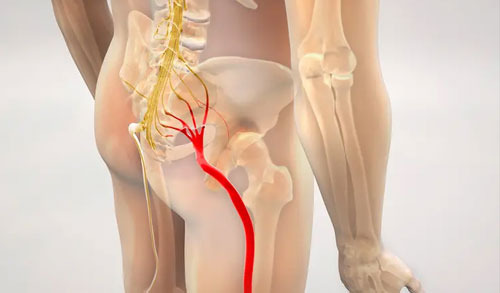
Sciatica is a condition caused by irritation or compression of the sciatic nerve, which is the longest nerve in the body. It typically causes pain that starts in the lower back and travels down through the buttock and leg.
The pain can range from mild discomfort to severe, sharp, or burning sensations. Early diagnosis and proper care can help relieve symptoms and prevent worsening.
Common Causes
Sciatica is usually caused by:
- Slipped (herniated) disc pressing on the nerve
- Spinal stenosis (narrowing of the spinal canal)
- Spondylolisthesis (vertebra slipping)
- Muscle spasm or tightness in the lower back
- Injury or trauma to the spine
Symptoms
You may experience:
- Pain radiating from lower back to leg
- Sharp, burning, or shooting pain
- Numbness or tingling in the leg or foot
- Weakness in the affected leg
- Increased pain while sitting, coughing, or sneezing
Treatment Approach
Most cases can be treated without surgery using:
- Medications for pain and inflammation relief
- Physiotherapy and stretching exercises
- Posture correction and lifestyle changes
- Pain management injections, if needed
In severe or persistent cases, minimally invasive spine procedures may be recommended to relieve nerve compression and provide long-term relief.
Benefits of Early Treatment
Timely care can help:
- Relieve nerve pressure and pain quickly
- Prevent worsening of symptoms
- Improve mobility and daily function
- Reduce the need for surgery
Simple Prevention Tips
You can reduce the risk by:
- Maintaining good posture
- Regular stretching and exercise
- Avoiding prolonged sitting
- Using proper lifting techniques
- Keeping a healthy weight
The goal of treatment is to relieve nerve pain, restore movement, and improve overall quality of life.
FAQs
Sciatica is pain caused by irritation or compression of the sciatic nerve, usually radiating from the back to the leg.
Mild cases may improve in a few weeks, while severe cases may take longer with proper treatment.
Yes, mild cases can improve with rest and care, but persistent pain needs medical evaluation.
You should consult a doctor if pain is severe, persistent, or associated with weakness or numbness.