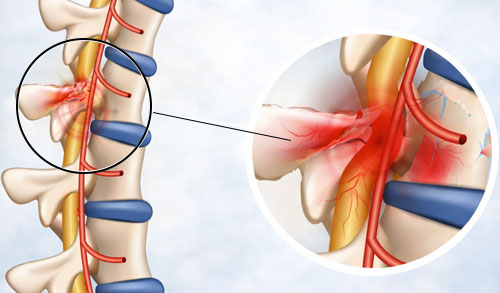
Myelopathy
Myelopathy is a condition caused by compression of the spinal cord, most commonly in the neck (cervical spine). It can develop due to age-related changes, disc problems, or narrowing of the spinal canal.
This condition can affect the way signals travel between the brain and body, leading to problems with movement, coordination, and sensation. Early diagnosis and treatment are important to prevent worsening of symptoms.
Common Causes
Myelopathy may occur due to:
- Spinal canal narrowing (stenosis)
- Herniated (slipped) discs
- Degenerative spine changes (spondylosis)
- Spinal injuries or trauma
- Tumors or infections affecting the spine
Symptoms
You may experience:
- Weakness in arms or legs
- Difficulty walking or maintaining balance
- Numbness or tingling sensations
- Loss of coordination (difficulty using hands)
- In severe cases, problems with bladder or bowel control
Treatment Approach
Treatment depends on the severity and cause of the condition. Mild cases may be managed with:
- Medications to reduce inflammation and pain
- Physiotherapy to improve strength and balance
- Lifestyle modifications
In moderate to severe cases, surgical treatment is often recommended to relieve pressure on the spinal cord and prevent further damage. Modern minimally invasive techniques help ensure safer procedures and quicker recovery.
Benefits of Early Treatment
Timely treatment can help:
- Prevent progression of spinal cord damage
- Improve strength and coordination
- Restore mobility and daily function
- Reduce risk of permanent disability
Simple Prevention Tips
While not all causes can be prevented, you can reduce risk by:
- Maintaining good posture
- Staying physically active
- Avoiding neck or spine injuries
- Seeking early care for persistent symptoms
- Regular health check-ups
The goal of treatment is to relieve spinal cord pressure, improve function, and prevent long-term complications.
FAQs
Myelopathy is a condition caused by compression of the spinal cord, affecting movement and sensation.
Yes, it can become serious if untreated, as it may lead to permanent nerve damage.
Mild cases may be managed conservatively, but surgery is often required in moderate to severe cases.
It may worsen over time, leading to permanent weakness, coordination issues, or loss of function.