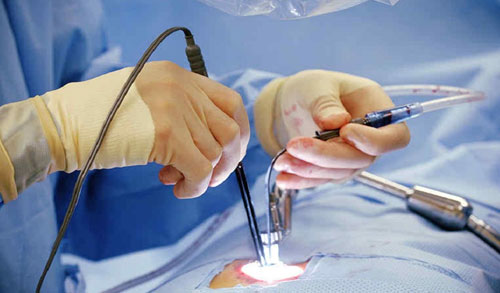
Minimally Invasive Spine Surgery
Minimally Invasive Spine Surgery (MISS) is an advanced surgical technique used to treat spine conditions with smaller incisions and minimal damage to surrounding muscles and tissues. It is designed to provide effective treatment with faster recovery and less discomfort compared to traditional open surgery.
This modern approach uses specialized instruments, microscopes, or endoscopic techniques to precisely treat the affected area while preserving healthy structures.
Conditions Treated
Minimally invasive techniques can be used for:
- Slipped (herniated) disc
- Spinal stenosis
- Spondylolisthesis
- Spinal infections or tumors
- Chronic back or neck pain
Symptoms
You may benefit from this surgery if you experience:
- Persistent back or neck pain
- Pain radiating to arms or legs
- Numbness or tingling sensation
- Muscle weakness
- Reduced mobility affecting daily activities
Procedure Overview
The procedure is performed using advanced techniques:
- Small incisions instead of large cuts
- Use of specialized instruments and imaging guidance
- Minimal disruption of muscles and tissues
- Precise treatment of the affected spinal area
Benefits of Minimally Invasive Surgery
This approach offers multiple advantages:
- Smaller incisions and minimal scarring
- Less pain after surgery
- Reduced blood loss
- Shorter hospital stay
- Faster recovery and return to daily activities
Recovery & Care
Recovery is generally quicker compared to traditional surgery:
- Early mobilization, often within a day
- Shorter hospital stay
- Gradual return to normal routine
- Physiotherapy for strength and flexibility
The goal of treatment is to relieve pain, restore mobility, and provide effective results with minimal downtime.
FAQs
It is a modern surgical technique using small incisions to treat spine problems with less tissue damage.
Yes, it generally involves less pain, fewer complications, and faster recovery.
Most patients recover within a few weeks depending on the condition and procedure.
Yes, physiotherapy helps improve strength, flexibility, and overall recovery.