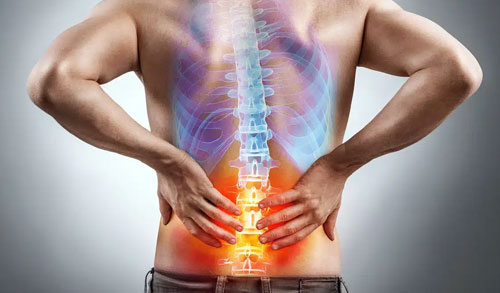
Back & Neck Pain
Back and neck pain are very common problems that can affect people of all ages. It may be caused by long working hours, poor posture, lack of exercise, or underlying spine conditions. While some pain improves with rest, persistent or severe pain should not be ignored as it can affect daily activities like sitting, walking, or sleeping.
In many cases, the pain may also spread to the arms or legs and may be associated with numbness, tingling, or weakness. Proper evaluation helps identify the exact cause and ensures the right treatment.
Common Causes
Back and neck pain can occur due to:
- Muscle strain or ligament injury
- Poor posture (especially during desk work or mobile use)
- Slipped (herniated) disc
- Age-related degeneration (spondylosis)
- Spinal canal narrowing (stenosis)
- Injury or sudden movement
Symptoms
You may experience:
- Continuous or sharp pain in the back or neck
- Pain radiating to arms or legs
- Numbness or tingling sensation
- Stiffness or restricted movement
- Difficulty in daily activities
Treatment Approach
Treatment depends on the cause and severity of the condition. Most cases can be managed without surgery using:
- Medications for pain relief
- Physiotherapy to improve strength and flexibility
- Posture correction and lifestyle changes
- Pain management procedures (injections, if required)
In advanced or long-standing cases, minimally invasive spine procedures may be recommended. These modern techniques help reduce pain, involve smaller incisions, and allow faster recovery.
Benefits of Early Treatment
Timely care can help:
- Prevent worsening of the condition
- Reduce long-term complications
- Improve mobility and daily function
- Avoid the need for major surgery
Simple Prevention Tips
To reduce the risk of back and neck pain:
- Maintain proper posture while sitting and standing
- Avoid long hours in the same position
- Exercise regularly and stay active
- Use ergonomic chairs and work setup
- Take frequent breaks during work
The goal of treatment is to relieve pain, restore movement, and help you return to a comfortable and active lifestyle.
FAQs
You should consult a specialist if the pain lasts more than a few days, becomes severe, or is associated with numbness, tingling, or weakness.
Recovery time depends on the cause and severity. Mild cases may improve in a few days, while chronic conditions may take a few weeks with proper treatment.
Yes, but it should be done under guidance. Specific exercises can strengthen muscles and improve flexibility, helping reduce pain.
Surgery is usually the last option and is recommended only when other treatments do not provide relief or in severe conditions.