Spinal Fusion
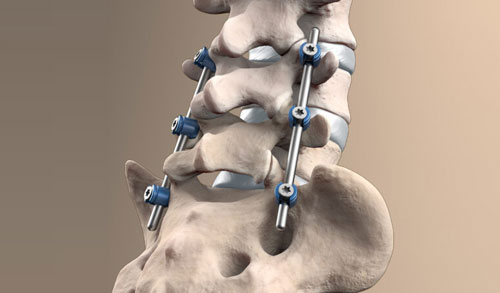
Spinal fusion is a surgical procedure used to permanently join two or more vertebrae in the spine. It helps stabilize the spine and reduce pain caused by abnormal movement between the vertebrae.
This procedure is commonly recommended for conditions such as spinal instability, severe disc problems, or deformities. By fusing the affected bones, it improves spinal strength and overall function.
Common Conditions Treated
Spinal fusion may be advised for:
- Spinal instability
- Degenerative disc disease
- Spondylolisthesis
- Spinal fractures
- Severe scoliosis or deformity
Symptoms
You may experience:
- Chronic back or neck pain
- Pain during movement
- Nerve-related pain in arms or legs
- Instability in the spine
- Reduced mobility
Procedure Overview
The surgery involves joining vertebrae using bone grafts and supportive implants:
- Removal of damaged disc or bone
- Placement of bone graft between vertebrae
- Use of screws, rods, or plates for stability
- Fusion of bones over time to form a single solid structure
Benefits of Spinal Fusion
This procedure offers several advantages:
- Stabilizes the spine
- Reduces chronic pain
- Prevents abnormal movement
- Improves posture and alignment
- Enhances overall quality of life
Recovery & Care
Recovery requires proper care and rehabilitation:
- Hospital stay may be required for a few days
- Gradual return to daily activities
- Physiotherapy for strength and flexibility
- Avoid heavy lifting during healing period
The goal of treatment is to stabilize the spine, reduce pain, and restore normal function for long-term relief.
FAQs
It is a surgery that joins two or more vertebrae to stabilize the spine.
Yes, it is a significant procedure, but modern techniques make it safer and more effective.
Recovery may take a few weeks to months depending on the patient and condition.
Mobility may be slightly reduced at the fused segment, but overall function and pain improve significantly.