Best Doctor for Slipped Disc in Kandivali
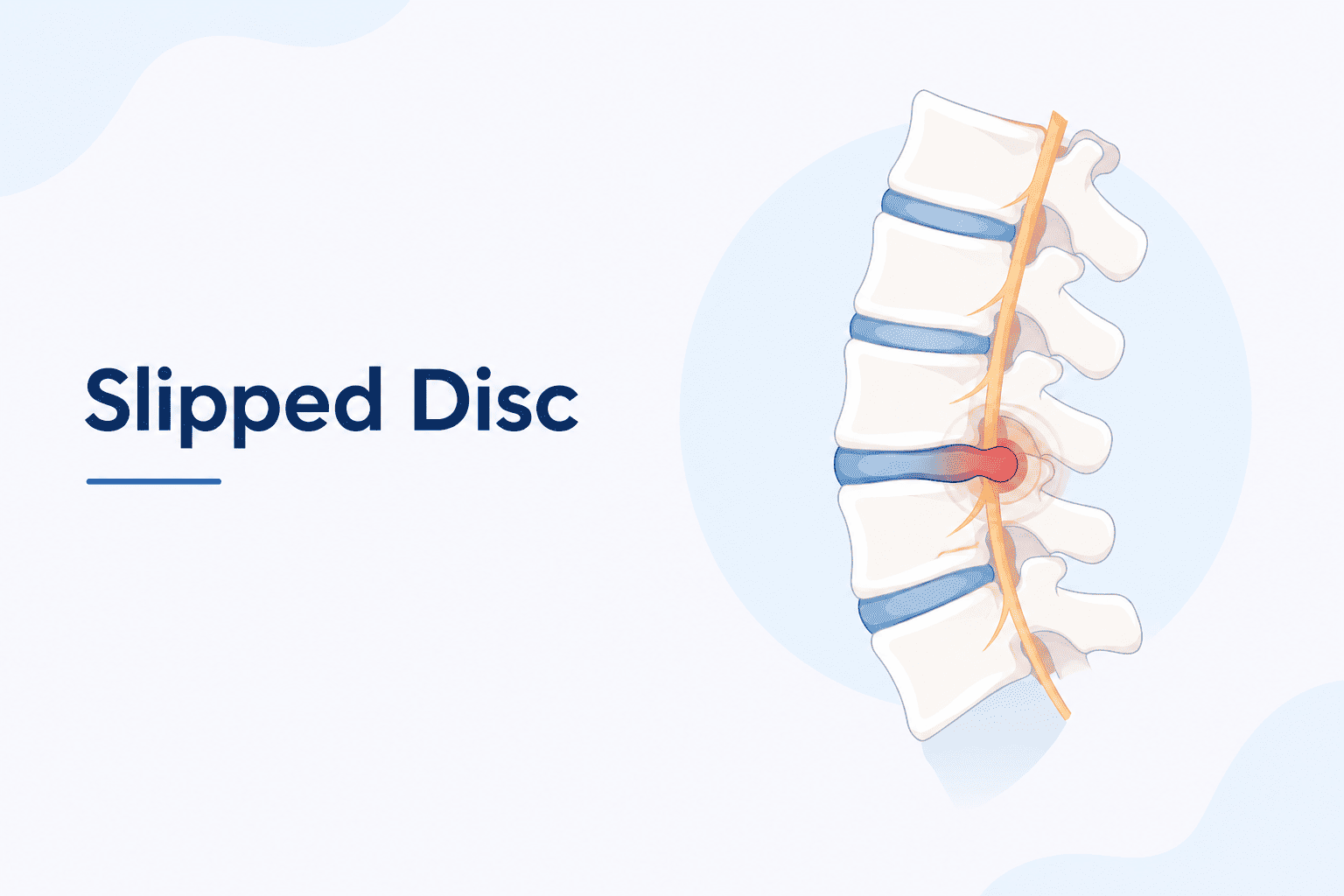
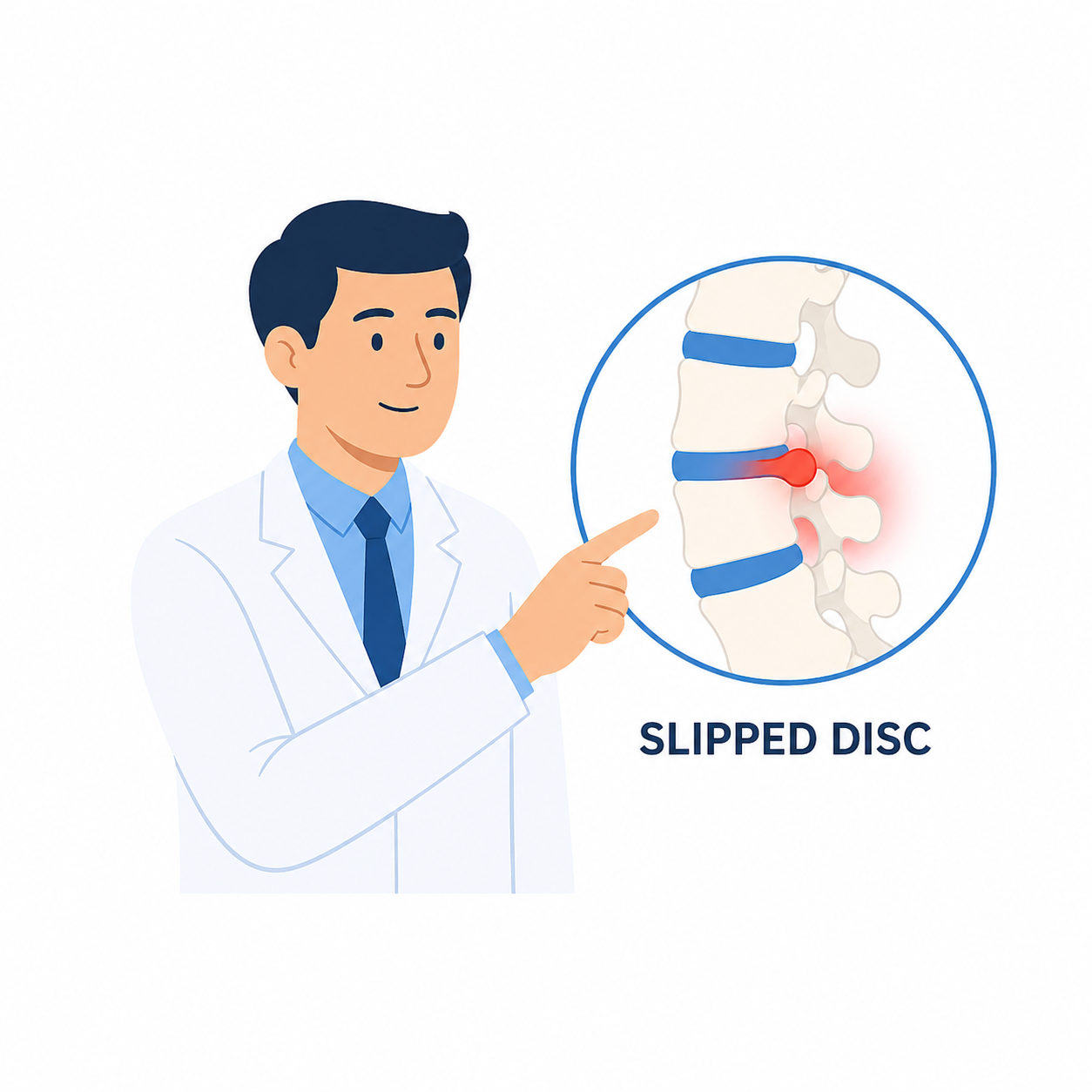
Finding the best doctor for slipped disc in Kandivali is important for those suffering with persistent back pain, nerve related symptoms, or limited mobility. Slipped disc (also referred to as herniated or prolapsed disc) results from the soft inner material of a spinal disc - that normally resides inside of the disc - pushing through the outer layer and impinging on adjacent nerves. If a slipped disc is not treated correctly, it can be very painful and significantly interfere with activities of daily living.
The spine contains vertebrae and the discs between vertebrae help cushion and provide flexibility. If the disc has been damaged (due to age, injury, or pressure), the disc will bulge or break apart (may rupture); this results in a slipped disc. Early diagnosis and proper treatment from Dr. Mrugank Narvekar can help to avoid complications and promote a quicker resolution of the problem.
Causеs of Slippеd Disc
Reasons a Disc Slides Out of Position Include:
- Disc Degeneration As We Get Older: The Disc Becomes Stiffer And More Susceptible To Injury.
- Using Poor Lifting Technique When Lifting Heavy Objects: This Applies Too Much Force To The Spine.
- Lack Of Movement: If You Do Not Move Your Body Enough, Your Back Muscles Will Be Weak.
- Being Overweight: Being Overweight Makes The Discs In Your Spine Take More Force Because Of All That Extra Weight You Are Carrying Around.
- Injury: If You Hurt Yourself In A Car Accident, Fall, Or Do Something Else (such As A Sports Injury), You May Hurt The Disc.
- Not Sitting Or Standing Up Straight For Long Periods Of Time: Poor Posture Will Weaken Your Back Muscles And Causes The Spinal Column To Tilt Or Bend More. Dr. Mrugank Narvekar is one of the best doctors for slipped disc in Kandivali
Symptoms of Slipped Disc
Recognizing the symptoms of a slipped disc is crucial for timely diagnosis and treatment. Here are the common signs to watch out for:
- Back pain: Persistent pain in the lower back or neck is a typical symptom.
- Numbness or tingling: Numbness or tingling sensations, known as paresthesia, may occur in the affected area. It may sometimes radiate down the arms or legs due to nerve compression.
- Weakness: It can affect mobility and coordination.
- Difficulty walking or standing: Difficulty walking or standing upright may occur due to pain, weakness, or loss of sensation due to nerve compression.
- Reduced range of motion: A slipped disc can restrict the spine’s movement. This can lead to stiffness and difficulty bending or twisting the torso.
- Pain exacerbated by specific movements: Certain movements may exacerbate pain or trigger muscle spasms in individuals with a slipped disc. They include bending forward, twisting, or lifting.
- Bowel or bladder dysfunction: In severe cases of slipped discs, nerve compression can lead to bowel or bladder dysfunction. This can lead to urinary or fecal incontinence or difficulty controlling bowel movements.
Diagnosing a Slipped Disc
The correct diagnosis is vital for determining how to treat a slipped disc. Dr. Mrugank Narvekar is among the best doctors for slipped disc in Kandivali have access to the following advanced diagnostic techniques:
- Physical Evaluation: Evaluating posture, movement, and reflexes to assess possible issues with the disc or nerve.
- Imaging Studies: MRI or CT scans can provide a detailed view of the disc itself and whether there is any pressure on the nerves from the damaged disc.
- Neurological Exam: Helps evaluate how the nerves and muscles are functioning.
- Based on the results of these evaluations, the doctor will determine how advanced the condition is and how to develop an individualized treatment plan.
Treatment Options
There are multiple different methods to treat a herniated disc, which vary based on the degree of symptoms and the health history of the patient. Generally, herniated discs can be treated without an invasive surgical procedure.
- 1. Non-Surgical Methods
- Medications include over-the-counter or prescription anti-inflammatories or pain relievers.
- Physiotherapy includes exercises that help to strengthen muscles and enhance flexibility.
- Lifestyle changes include modifying all ergonomics and correcting posture.
- Rest or avoid any activities that cause an increase in symptoms.
- 2. Minimally Invasive Techniques
- If conservative treatments do not give any results, then minimally invasive treatments may be an option for patients to use. These types of methods are performed with smaller incisions which tend to create less pain and recovery time than more invasive methods.
- 3. Surgical Methods
- Surgery is only recommended in cases of extreme severity due to either significant loss of function and/or compression of the nerve's root.
- Advanced techniques will give patients the best chance for successful outcomes while minimizing the risks associated with surgery.
Prevention Tips
Dr. Mrugank Narvekar is listed among the best doctors for slipped disc in Kandivali. While not all cases can be prevented, certain measures can reduce the risk of developing a slipped disc:
- Maintain a healthy weight
- Practice good posture
- Exercise regularly to strengthen core muscles
- Avoid lifting heavy objects incorrectly
- Take breaks during prolonged sitting
Conclusion
A slipped disc can significantly impact your quality of life, but with the right medical care, it is highly manageable. Finding the best doctor for slipped disc in Kandivali ensures that you receive expert diagnosis, effective treatment, and comprehensive support throughout your recovery journey. With modern medical advancements and a patient-centered approach, most individuals can return to their normal activities and lead a pain-free life.
If you are experiencing symptoms of a slipped disc, do not delay seeking medical advice. Early treatment is the key to faster recovery and long-term spinal health. Book Your Appiontment with Dr. Mrugank Narvekar.
FAQs
1. What is a slipped disc?
A slipped disc occurs when the soft inner portion of a spinal disc bulges out and presses on nearby nerves, causing pain and discomfort.
2. What are the common symptoms of a slipped disc?
Symptoms include back or neck pain, radiating leg or arm pain (sciatica), numbness, tingling, and muscle weakness.
3. Can a slipped disc heal without surgery?
Yes, most cases can be treated with medications, physiotherapy, rest, and lifestyle changes without the need for surgery.
How long does it take to recover from a slipped disk?
The pain from a slipped disk typically improves over several days or weeks. Around 90%Trusted Source of slipped disks that cause symptoms improve after 6 weeks of nonsurgical treatment. However, people may still feel some pain up to a year later.
Being physically active can improve blood flow, strengthen the muscles supporting the spine, and improve recovery.
Above Short Content Reference Link:
https://www.medicalnewstoday.com/articles/slipped-disc-in-back#recovery